8 Books About Perfectionism and Making Mistakes
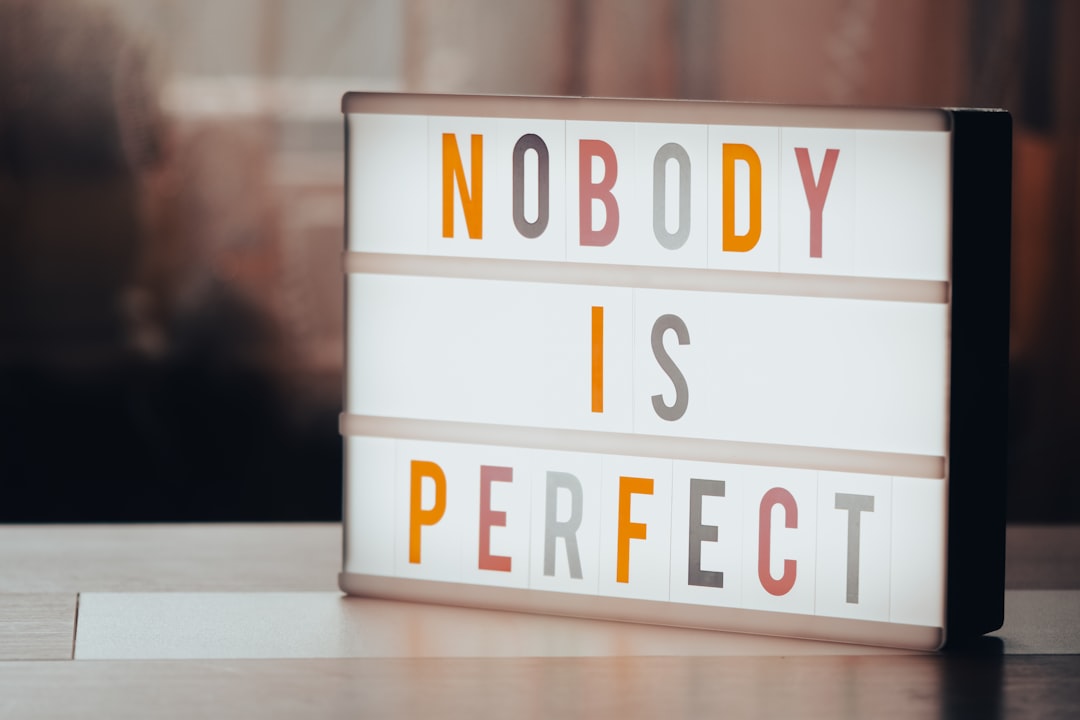
You know this kid. They erase so hard the paper rips. They crumple their drawing and start over six times. They say "I can't do it" before they've tried, because trying and failing feels worse than not trying at all. Perfectionism in young children doesn't look like ambition. It looks like paralysis. These books don't tell kids to "just try their best." They show what happens when you make something imperfect and the world doesn't end.
For the kid who won't start because it might not be perfect

Ish by Peter H. Reynolds is the single best book about perfectionism for young children. Ramon loves to draw until his brother laughs at one of his pictures. After that, he can't draw anything. Every attempt looks wrong. Then his sister shows him that his drawings don't have to look exactly like the thing. they can look "ish." A vase-ish. A house-ish. The word "ish" has entered the vocabulary of thousands of classrooms because of this book.

Rosie Revere, Engineer by Andrea Beaty is about a girl who builds inventions in secret because she's afraid of being laughed at. When her great-great-aunt (a retired Rosie the Riveter, in a perfect historical touch) sees her work and laughs with delight. not mockery. Rosie learns that a failed invention is just a first try. Andrea Beaty writes the inner life of a perfectionistic kid better than most novels manage. The illustrations by David Roberts are detailed and joyful.
For the kid who needs to see that mistakes can be beautiful

Beautiful Oops! by Barney Saltzberg is an interactive board book where every page is a "mistake". a torn page, a spill, a smudge. transformed into something wonderful. A coffee ring becomes an owl's face. A crumpled page becomes a penguin. It's a book kids can touch and manipulate, which makes the message physical, not just conceptual. For the youngest perfectionists (ages 2-5), this is the best starting point.

A Perfectly Messed-Up Story by Patrick McDonnell breaks the fourth wall. The main character is trying to tell a perfect story, but someone keeps spilling things on the pages. jelly, peanut butter, juice. The character gets increasingly upset until he realizes the messy pages are actually more interesting than the clean ones. It's meta and funny and the kind of book kids want to read again because they notice new details in the mess each time.
For the kid who's afraid of failing after they've already succeeded
After the Fall by Dan Santat answers the question nobody thought to ask: what happened to Humpty Dumpty after he was put back together again? He's afraid of heights now. He can't climb the wall he used to love sitting on. The book is about the slow, painful process of trying again after a big failure, and Dan Santat draws Humpty's fear with real emotional weight. This is the Caldecott Honor winner's most personal book, and it resonates with kids who've experienced a setback that made them stop doing something they used to love.

The Girl Who Never Made Mistakes by Mark Pett and Gary Rubinstein is about Beatrice Bottomwell, who has never, ever made a mistake. She's famous for it. The whole town watches her. And the pressure of maintaining that record is crushing her. When she finally does make a mistake. spectacularly, publicly, hilariously. she discovers that it feels amazing. This book is for the kid who's so used to being "the good one" or "the smart one" that they've trapped themselves.
For the kid who's stuck and needs permission to try again

The Most Magnificent Thing by Ashley Spires is about a girl who wants to build something magnificent. She tries and tries and every version is wrong. She gets angry. She quits. She takes a walk. She comes back and sees that each failed attempt had something good in it. The book doesn't romanticize failure. the girl is genuinely furious and the frustration is real. but it shows the process of coming back to something after you've walked away from it. Teachers use this one constantly for growth mindset work.
More to explore
More options: The Dot (Peter H. Reynolds), Mistakes That Worked (Charlotte Foltz Jones. nonfiction, ages 8-12), What Do You Do with a Problem? (Kobi Yamada), The Book of Mistakes (Corinna Luyken), Not Yet (Lisa Cox)
Related Topics
More to Read

10 Books Like Dog Man
Your kid has read every Dog Man book twice. Here's what to hand them next. and why each one scratches the same itch.

How to Talk to Kids About Bullying: What to Say Whether They're the Target, the Bystander, or the One Doing It
Bullying isn't a rite of passage. It's a pattern that adults can interrupt. if they know what they're looking at.

What Age Is The Baby-Sitters Club For?
The Baby-Sitters Club is 40 years old, has a Netflix show, and just got a graphic novel reboot that's outselling the originals. Here's which version your kid should read.

