About This Book
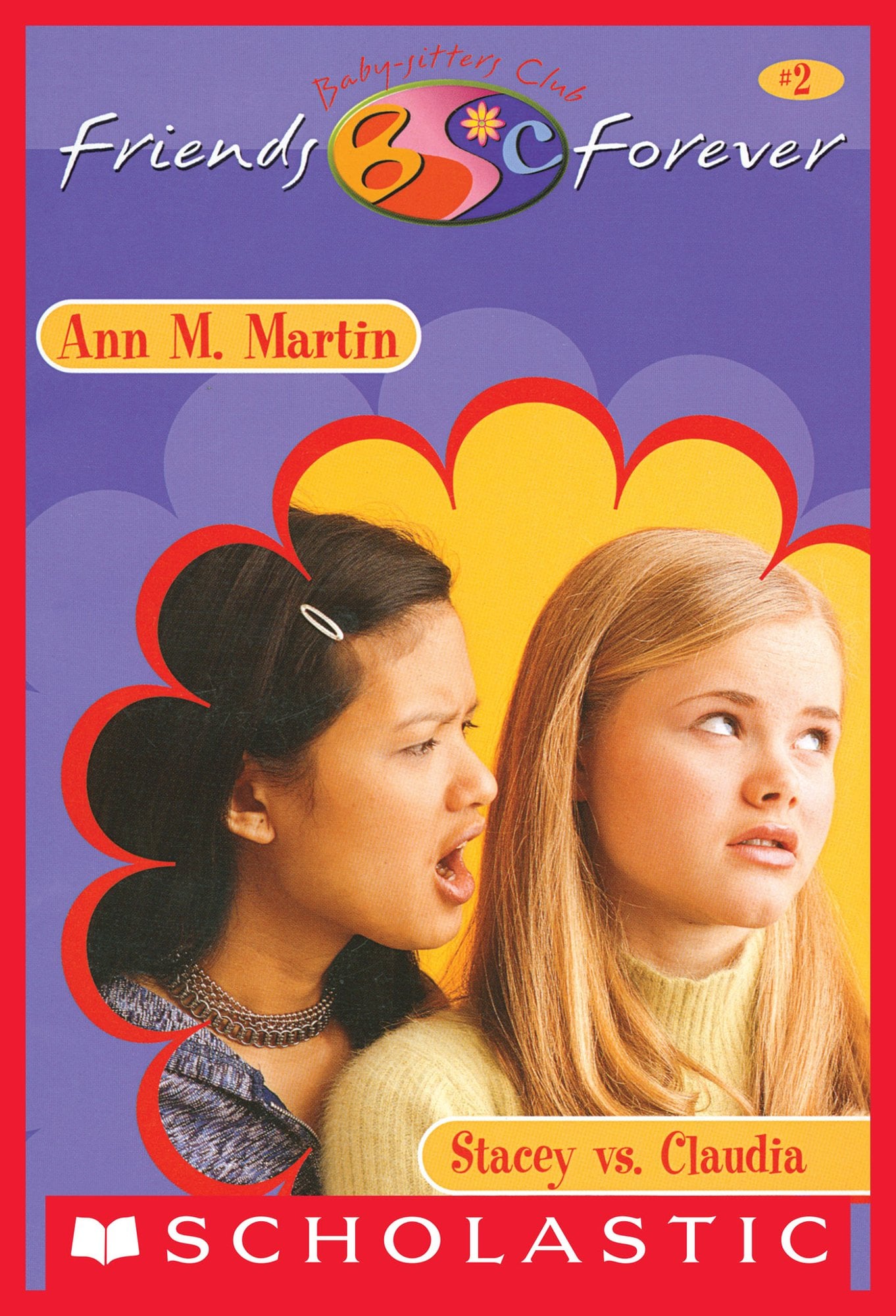
Reach for this book when your child is navigating a 'best friend breakup' or experiencing the sting of social competition within their peer group. It addresses the uncomfortable reality that even the closest friendships can suffer when two people compete for the same roles or feel overlooked by one another. The story follows Stacey and Claudia as their lifelong bond is pushed to the limit by petty arguments and a rivalry over babysitting jobs. Through these relatable middle school hurdles, children learn about the importance of communication and the vulnerability required to say 'I'm sorry.' It is a gentle, realistic look at how jealousy can cloud judgment and how true friends work through conflict. This is a perfect choice for readers aged 8 to 12 who are beginning to experience the shifting dynamics of adolescent social circles and need to see healthy ways to reconcile after a fallout.
What Parents Should Know
Sensitive Topics
None. The conflict is centered on age-appropriate social friction and verbal disagreements typical of middle school friendships.
Ideal Reader
A 9 or 10-year-old reader who has recently had a 'falling out' with a close friend and feels like they have to choose sides or defend their territory.
Parent Prep
This book can be read cold. It provides an excellent template for how to apologize sincerely without making excuses. A parent might hear their child say, 'I'm never talking to [Friend's Name] again,' or witness a sharp increase in competitive behavior regarding grades, sports, or social status.
Age Experience
Younger readers will focus on the 'fairness' of the babysitting jobs and the drama of the fight. Older readers (11-12) will likely resonate more with the internal feelings of jealousy and the fear of being replaced by a friend.
What Makes It Special
Unlike many friendship books that feature a clear 'villain,' this story shows two generally 'good' characters both making mistakes, making the conflict more nuanced and realistic.
Read plot summary
Stacey and Claudia, usually inseparable best friends, find themselves at odds when they both apply for the same high-profile babysitting job for a new family in town. The competition quickly turns personal, leading to snide remarks, hurt feelings, and a division within the Baby-Sitters Club members. As the tension peaks, the girls must decide if winning the 'best sitter' title is worth losing their best friend. Secondary subplots involve Stacey managing her diabetes and Claudia's artistic pursuits, but the central focus remains on the breakdown and eventual repair of their friendship.
This overview was generated by AI based on the book's content and reviews, and may not capture every nuance.
Discussion Prompts
1
Stacey and Claudia are best friends, but they both said some mean things. Do you think one of them was more 'wrong' than the other, or were they both responsible?
2
When Stacey felt like Claudia was showing off, she reacted with jealousy. What is a better way she could have handled that feeling?
3
The other members of the BSC felt stuck in the middle. Have you ever felt like you had to choose sides between two friends? How did it feel?
4
What was the specific moment that changed things and allowed them to start being friends again? Why was an apology so important?


